
Slack Presence & Status Guides
Everything you need to know about keeping Slack active, managing auto-away, and automating your status
Complete Guides
In-depth guides covering every scenario where Slack presence becomes unreliable. Each guide includes platform-specific instructions, troubleshooting tips, and the cloud-based solution that works for all situations.
Keep Slack Green With a Locked Screen (Mac, Windows, Linux)
Slack goes gray within 10 minutes of locking your screen. Here's what causes it on Mac, Windows, and Linux — plus the cloud fix that keeps you green hands-off.
Keep Slack Active When Your Laptop Sleeps
Close your laptop and Slack goes gray in 5 minutes. Here's why sleep kills Slack status — and the cloud fix that keeps you active while your laptop sleeps.
Keep Slack Active on iPhone & Android
Slack goes away on your phone within minutes because iOS/Android suspend background apps. Change these settings, or use the cloud fix that works without battery drain.
Keep Slack Active on Corporate Networks
Corporate VPN or Citrix VDI causing Slack presence issues? Learn how to keep Slack active in enterprise environments without violating IT policies.
Keep Slack Green on Corporate Laptops — No Admin, No Install, No Bot
Keep Slack green without admin approval, bot tokens, or installs. A browser-only solution for MDM-managed Macs and locked-down corporate laptops.
Keep Slack Active Without Internet
Working offline means Slack instantly marks you away. Learn how to maintain your active status during flights, commutes, and internet outages.
Keep Slack Active in VM and Remote Desktop
VDI or virtual machine causing Slack presence issues? Learn how to keep Slack active in Citrix, VMware, Azure Virtual Desktop, and other remote desktop environments.
Keep Slack Active When Traveling
Traveling across time zones affects Slack presence schedules. Learn how to maintain consistent availability during business travel with timezone-aware solutions.
Keep Slack Active on VPN
VPN dropping your Slack presence? Learn how to keep Slack active through VPN reconnections, split tunneling issues, and corporate idle timeouts.
Keep Slack Active on a Restricted Company Laptop
Company laptop blocks apps and permissions? Learn how to keep Slack active on MDM-managed, locked-down laptops without installing unauthorized software.
Keep Slack Active Over Remote Desktop (RDP)
Slack going away when your RDP session disconnects? Learn how to keep Slack active over Remote Desktop Protocol on Windows and Mac.
Keep Slack Active on macOS Sonoma & Sequoia
macOS Sonoma or Sequoia putting Slack to sleep? Learn how to keep Slack active with the latest Apple power management, Focus Modes, and battery optimization.
Keep Slack Active on Windows 11
Windows 11 putting Slack to sleep with Modern Standby and power policies? Learn how to keep Slack active on Windows 11 desktops and laptops.
Comparisons
Idle Pilot vs Mouse Jiggler
Idle Pilot wins for remote workers who need reliable, schedule-based presence without hardware dependencies.
Idle Pilot vs Presence Scheduler Extensions
Idle Pilot wins for users who need presence to work when their browser is closed or laptop sleeps.
Idle Pilot vs Caffeine App for Mac
Idle Pilot wins for Slack presence; Caffeine is better for preventing system sleep during downloads or presentations.
Cloud Scheduler vs Browser Extension for Slack Presence
Cloud schedulers are more reliable; browser extensions are simpler to start but have significant limitations.
Glossary
Slack Presence
Slack presence is the indicator (green or yellow dot) next to your name showing whether you're currently active or away in Slack. It's automatically determined by Slack based on your recent activity and connection status.
Slack Auto-Away
Slack auto-away is the automatic system that switches your presence status from active (green) to away (yellow) after a period of inactivity. Slack typically triggers this after approximately 10 minutes with no interaction. When auto-away triggers, your profile shows a hollow circle (or yellow dot on some interfaces) instead of the solid green dot, signaling to teammates that you may not respond immediately.
Presence Scheduler
A presence scheduler is a tool that automatically maintains your Slack presence status (active/online) during specified time windows, typically matching your work hours. Unlike mouse jigglers or scripts, modern presence schedulers run from the cloud.
Mouse Jiggler
A mouse jiggler is a device or software that simulates mouse movement to prevent your computer from going idle, sleeping, or triggering screen lock. They're commonly used by remote workers to keep systems active.
Slack Idle Timeout
Slack's idle timeout is the period of inactivity after which Slack automatically changes your presence status from active to away. This typically occurs after approximately 10 minutes without keyboard, mouse, or app interaction.
Slack Active Status
Slack active status is the presence indicator (solid green dot) that appears next to your name when Slack detects recent activity. It signals to teammates that you're currently available and likely to respond.
Idle Detection
Idle detection is the process by which software monitors user input signals (keyboard, mouse, touch) to determine whether a person is actively using their device. When no input is detected for a set period, the software marks the user as idle or inactive.
Slack API Presence
Slack API presence refers to the set of API methods that allow applications to read and modify a user's presence status programmatically. The two primary methods are users.getPresence (to check current status) and users.setPresence (to set status to 'auto' or 'away').
Blog Posts

How the Slack Green Dot Works: What Turns You Active, Away, and Back Again
How Slack decides the green dot — activity detection, the 10-minute auto-away timeout, and what keeps your status green even when you step away from your desk.
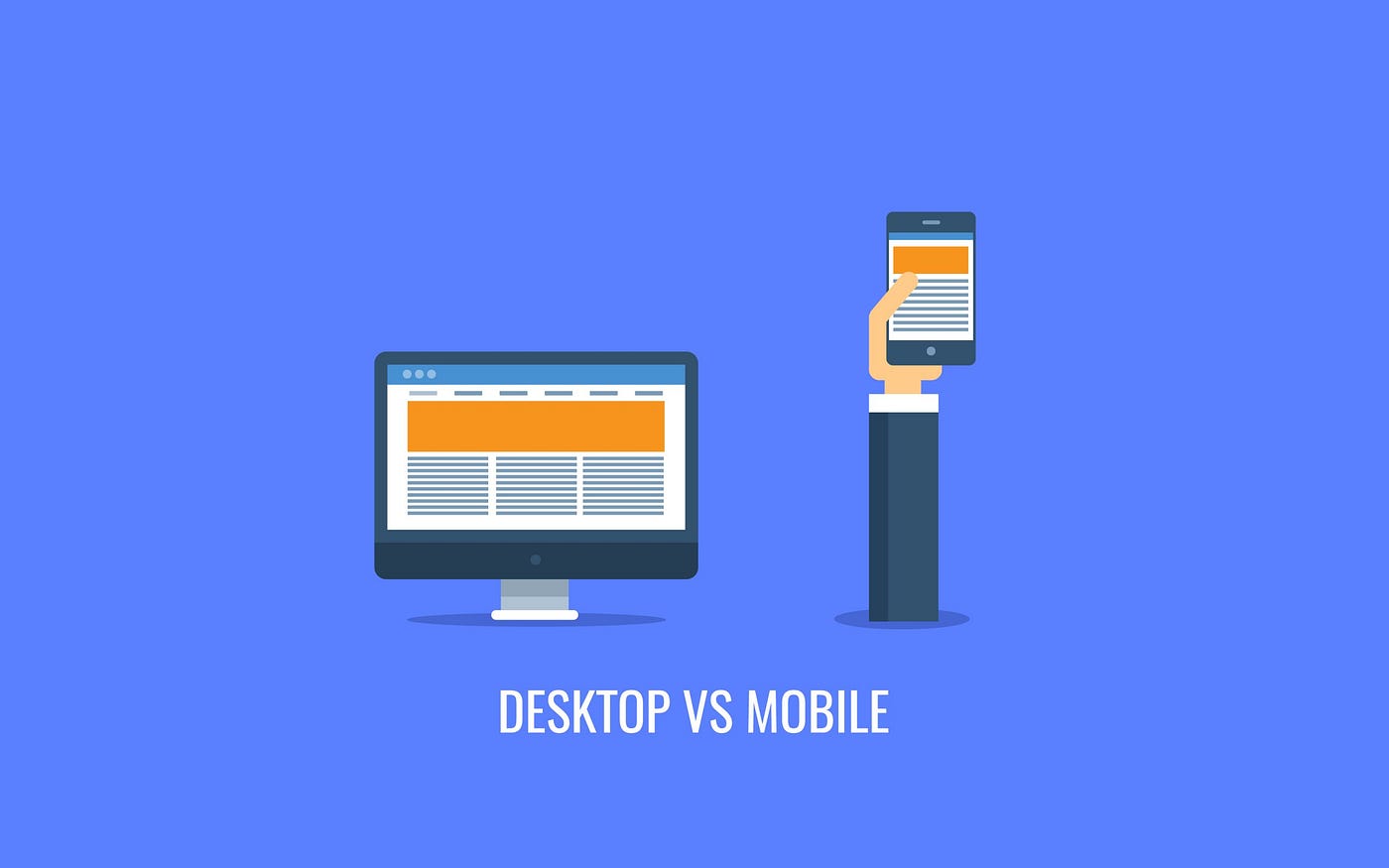
Keep Slack Active on Mobile vs Desktop: Why Your Phone Goes Away First
Slack mobile goes away faster than desktop because iOS and Android suspend background apps. Learn why your phone drops presence first and how to keep Slack active on any device.

Slack Auto-Away Timer: How Long Until You Go Away?
Slack auto-away timer kicks in after inactivity or disconnects. Learn how long until you go away and how to reduce false flips.

Slack Presence vs Status: What Managers Can See
What does Slack presence actually mean? Learn active vs away, status vs DND, what managers can usually see, and how to set clearer expectations.

Fake Slack Presence: Why People Do It, Why It Is Risky, and What to Do Instead
People fake Slack presence because the green dot became a time clock. Here is why device hacks are risky and why schedule-based presence is safer.

How to Keep Slack Green Without Getting in Trouble
A practical guide for cautious employees: avoid device hacks, understand what companies can see, and keep Slack presence aligned with work hours.
Main Landing Pages
Key pages for Slack presence scheduling
Ready to schedule your Slack presence?
Set up in 2 minutes. No credit card required.